
The number in the case study is never the interesting part
 Windmill Editorial Team1 min to read
xLongevity is a Windmill client and a Windmill founder is an officer of xLongevity. We publish these numbers because the work is real, and we say this because you should weigh them knowing it.
Every case study on this site has a number in it. Four days to five minutes. Weeks not months. They are true and we will keep publishing them, and they are the least useful thing on the page.
A number tells you what happened once, in an environment you cannot see, with constraints you were not told about. It does not tell you whether the same thing would happen to you, which is the only question a reader actually has.
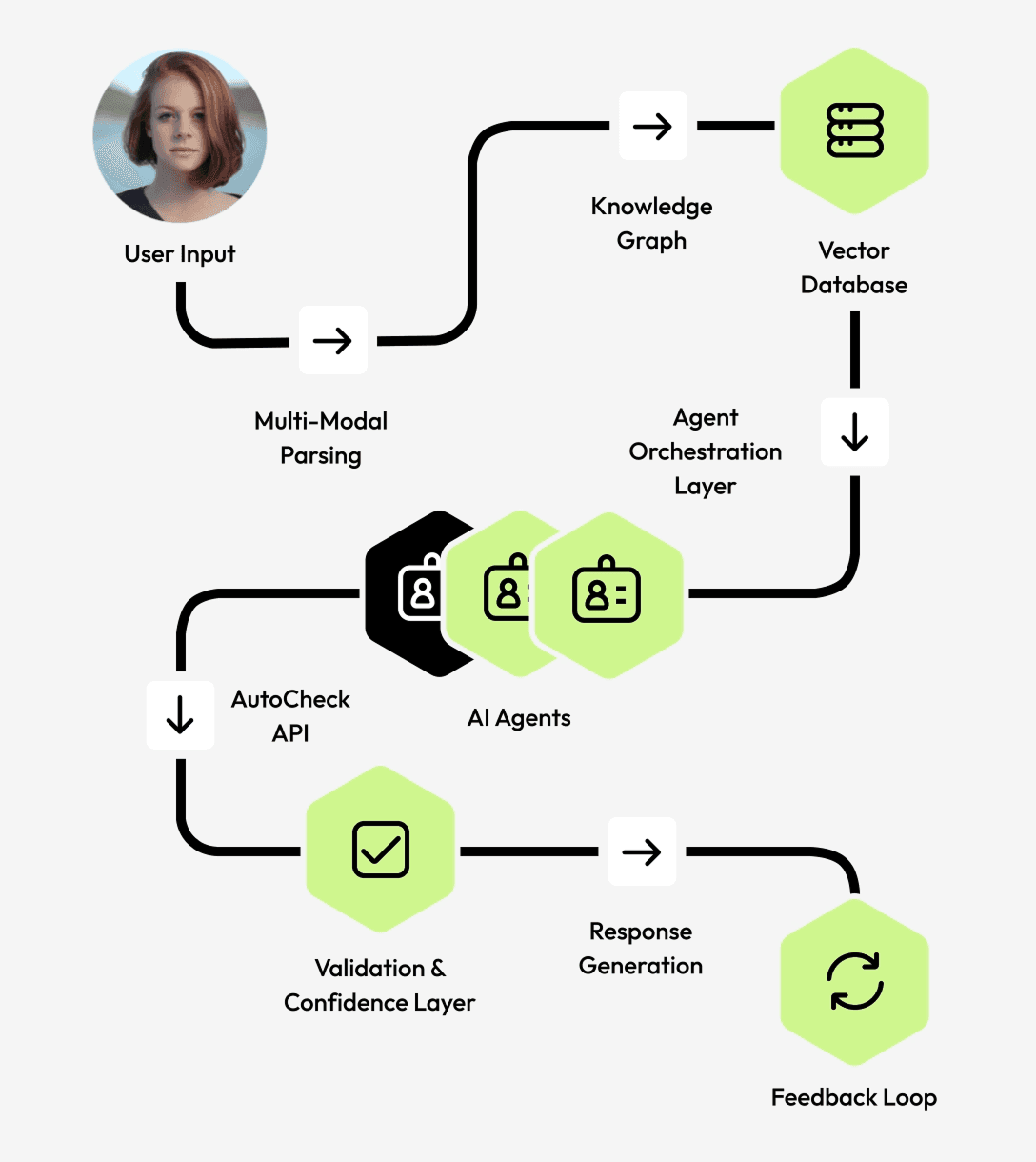
What transfers is the constraint that shaped the work. The xLongevity protocol pipeline is fast because it was split into five agents, and it was split into five agents so that every output could be traced. The speed is a consequence of the auditability requirement, not a trade against it. That is transferable. "Under five minutes" is not.
So when reading anyone's case study, including ours, the question worth asking is not how much faster. It is what did they have to be able to prove, and does that constraint look like mine.
If it does, the number is probably reachable. If it does not, the number is someone else's.
If you want to test that against your own constraint, write to hello@windmill.digital.