
Services
From product direction to production and ongoing improvement.
Windmill works with product and technology teams at different stages of an AI-powered product - shaping important decisions, proving value, building for production and improving systems already in operation.
You can begin with the engagement that matches the work in front of you. There is no requirement to start at the beginning.
How we can work together
Each engagement addresses a different product or operating objective. Windmill can enter at any stage and work with what is already in place.
AI Strategy & Readiness
“We know AI matters. We do not know what to build.”
You are shaping or prioritising an important AI-powered product initiative and need product, technical and operating decisions to line up before further investment.
Show what it produces and how it continues
A prioritised direction, product and technical decisions, an evidence plan and a clear recommendation for what should happen next.
- Prioritised opportunity and decision map
- Experience and workflow direction
- Technical feasibility and architecture direction
- Evaluation and oversight plan
- Recommended next-stage roadmap
- Experience
- Define the customer and operator outcome the product should create.
- Intelligence
- Determine what intelligent behaviour is useful, appropriate and technically feasible.
- Control
- Define evidence, autonomy and human-oversight boundaries before investment increases.
Duration: Typically 1-2 months
What happens afterwards
The outputs stand on their own. No further Windmill engagement is assumed. Where further work is appropriate, the evidence and decisions may lead into Proof of Value or Product Build & Scale, but only where the next investment is justified.
Proof of Value
“Prove it works - real users, real data, a real number. Or: we have a prototype that works in a demo. Make it something we can actually put in front of users.”
A product or use case has been prioritised and you need stronger evidence of user value, technical viability and business value before committing to scale. Or you already have a prototype or working concept and need to determine what it will take to make it suitable for real users and real operating conditions.
Show what it produces and how it continues
A working product slice tested against the important user, technical and business assumptions, with evidence for the next investment decision.
- Working product or workflow slice
- User or operator evidence
- Technical feasibility and architecture decisions
- Representative evaluation baseline
- Known failure conditions and constraints
- Value case and recommendation for the next stage
- Experience
- Test the workflow with the people who will use, supervise or operate it.
- Intelligence
- Prove the important model, agent or system behaviour using representative conditions and data.
- Control
- Establish how quality will be evaluated and where human review, failure handling or escalation is required.
Duration: Typically 1.5-2 months
What happens afterwards
The next stage proceeds only where the evidence supports it. That may mean further iteration, Product Build & Scale, an internal client build, or stopping. Stopping is a valid outcome where the evidence does not support additional investment.
Product Build & Scale
“Take it into production and keep it running.”
A validated direction, existing product or prototype needs to become a dependable production product for real users and operating teams. This may begin from work created by Windmill, an internal team or another supplier.
Show what it produces and how it continues
The product experience, engineering, integrations, evaluation and operating foundations required to release, run and continue improving the product.
- Production customer and operator experience
- Production architecture and integrations
- AI, software and data engineering where required
- Evaluation and release criteria
- Security and operational controls
- Deployment and monitoring
- Iteration and improvement backlog
- Experience
- Make intelligent behaviour understandable, usable and appropriate within the wider product experience.
- Intelligence
- Engineer the production system behaviour, data, models, orchestration and integrations required by the product.
- Control
- Instrument quality, failure handling, permissions, intervention and operational evidence.
What happens afterwards
Where useful, the same product, engineering and evaluation team can continue beyond the initial release to operate, improve and extend the product. Continuing work states the team shape, the working cadence, what is routinely included, what remains separately scoped, how the relationship can change or end, and what the client retains when it ends.
Evaluation & Assurance
“It is live. Is it reliable, defensible, and improving?”
This can be useful when quality is difficult to measure consistently, operating costs change unexpectedly, failure modes are poorly understood, or teams need stronger evidence of how the system is performing. It is equally relevant when an established programme wants an independent evaluation, additional specialist capacity or a stronger operating baseline.
Show what it produces and how it continues
An evaluation baseline, visibility of important failure modes and operating signals, improved oversight, and a prioritised plan for improving the system. The system does not need to have been built by Windmill.
- Evaluation harness and representative test set
- Quality and regression signals
- Cost and latency analysis where relevant
- Monitoring and failure analysis
- Human review, correction and escalation workflows
- Operational and audit evidence
- Prioritised improvement backlog
- Experience
- Design how operators review, understand, correct and escalate intelligent behaviour.
- Intelligence
- Measure and improve model, agent and system behaviour against defined criteria.
- Control
- Make quality, permissions, monitoring, oversight and evidence usable in day-to-day operation.
Duration: Initial assessment typically 1.5 months
What happens afterwards
The initial assessment can stand alone, lead to a defined improvement programme, or continue into regular evaluation and operational review. Where continuing, that means evaluation runs, monitoring review, failure analysis, quality and cost optimisation, oversight review and prioritised iteration.
Engage at the stage that fits the work
Some engagements are deliberately short and bounded. Others are designed for continued product, engineering and evaluation work. You can enter at any stage.

- AI Strategy & Readiness
A short, bounded piece of work with a defined decision or output at the end.
Nothing automatically. The output remains usable whether or not Windmill is involved in the next stage.
- Proof of Value
- Product Build & Scale
A defined proof or production programme, fixed or milestone-staged depending on the work.
The evidence determines whether the product proceeds. Production work can continue after the initial release.
- Evaluation & Assurance
An ongoing relationship with a named team and a defined cadence for evaluation, monitoring and iteration.
The continuing work is the engagement rather than an add-on to a finished project.
You do not have to move through these stages in order. A live product can begin with Evaluation & Assurance. An existing prototype can begin with Proof of Value or Product Build & Scale. An established programme can bring Windmill in for a specific stage without repeating work already completed.
Relevant work
Examples of product and technology engagements, the decisions involved and the results produced.
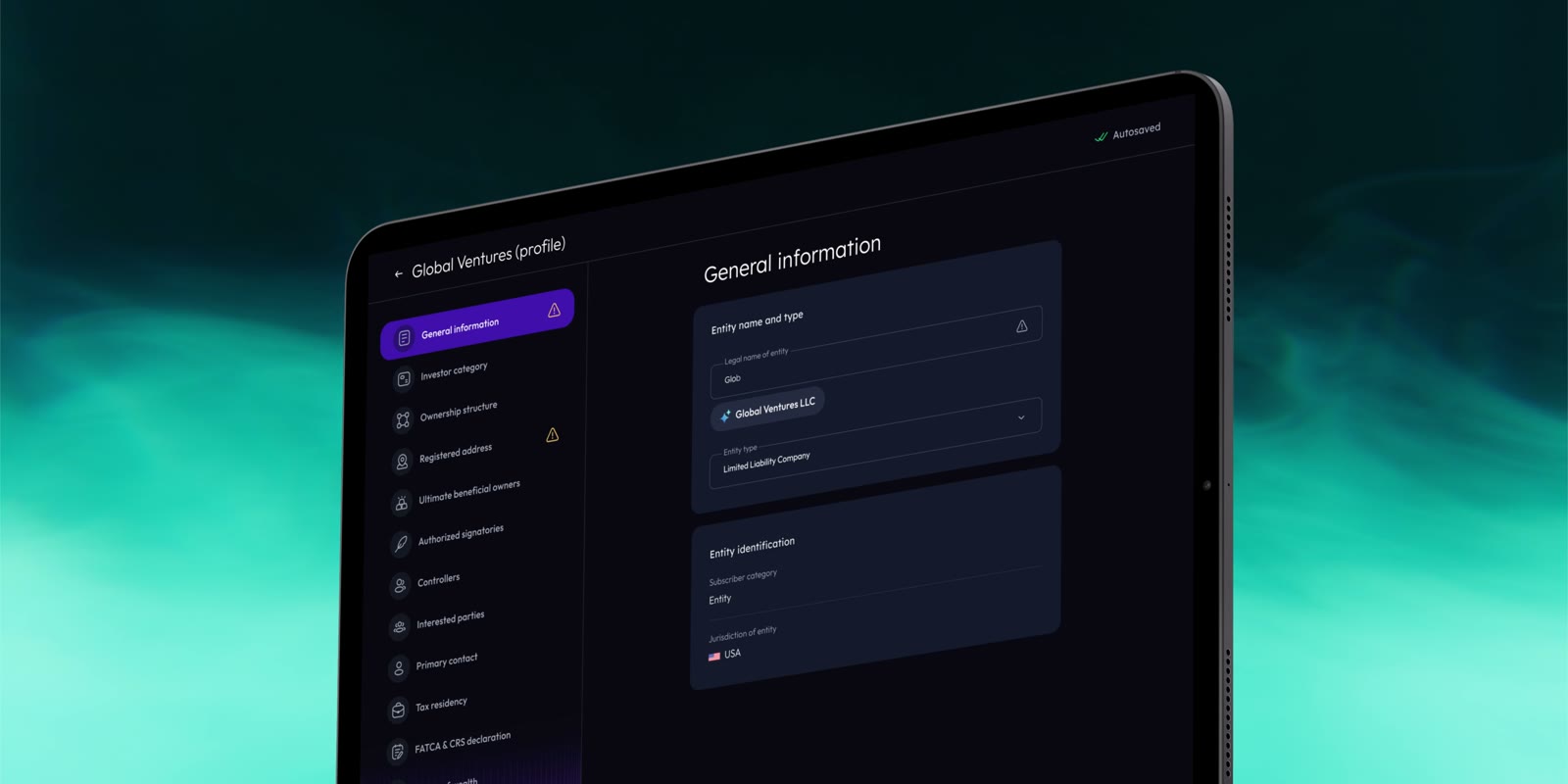
AI · Development
KYC/Onboarding re-imagined with AI agents
Agentic pipeline for KYC and onboarding - documents, checks, and explainable handoff.
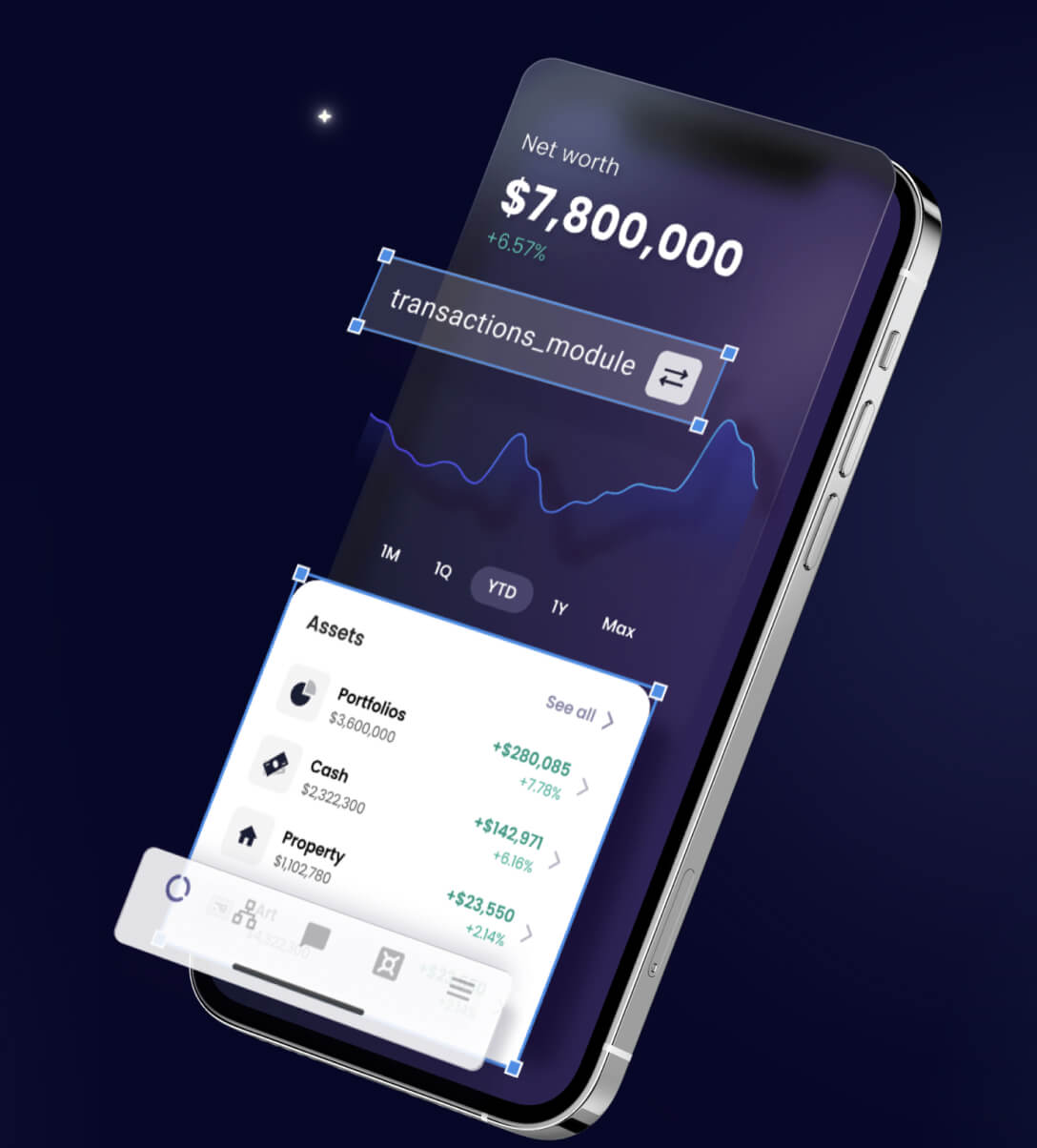
AI · Development
Accelerating personalized health protocols with agentic AI
Modular agents parse clinical documents, assess risk, and compose protocols in under five minutes.
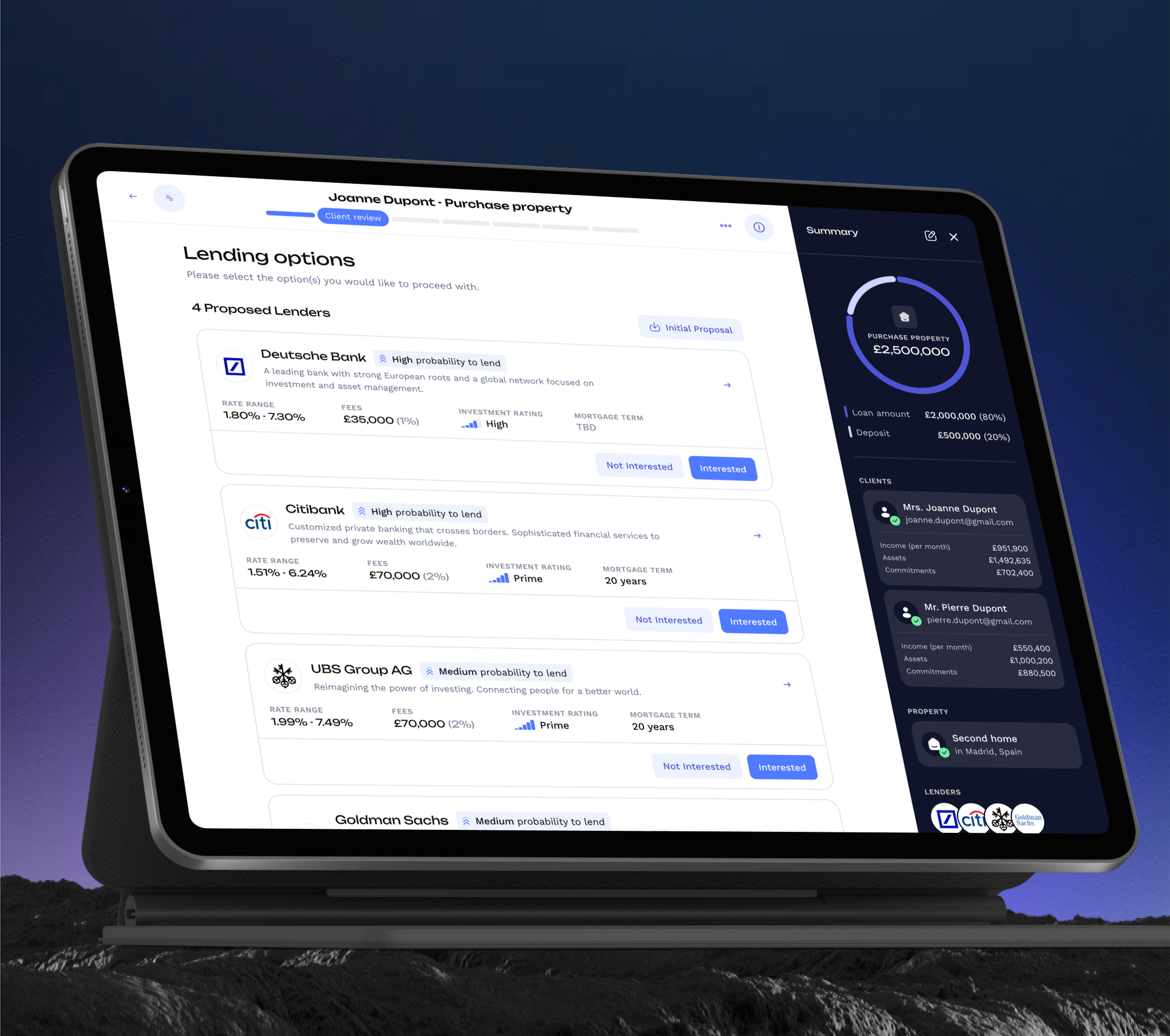
AI model · AI · Design · Development
Transforming loan acceptance predictions using artificial intelligence
From credit data to an explainable acceptance model wrapped in a usable decision experience.
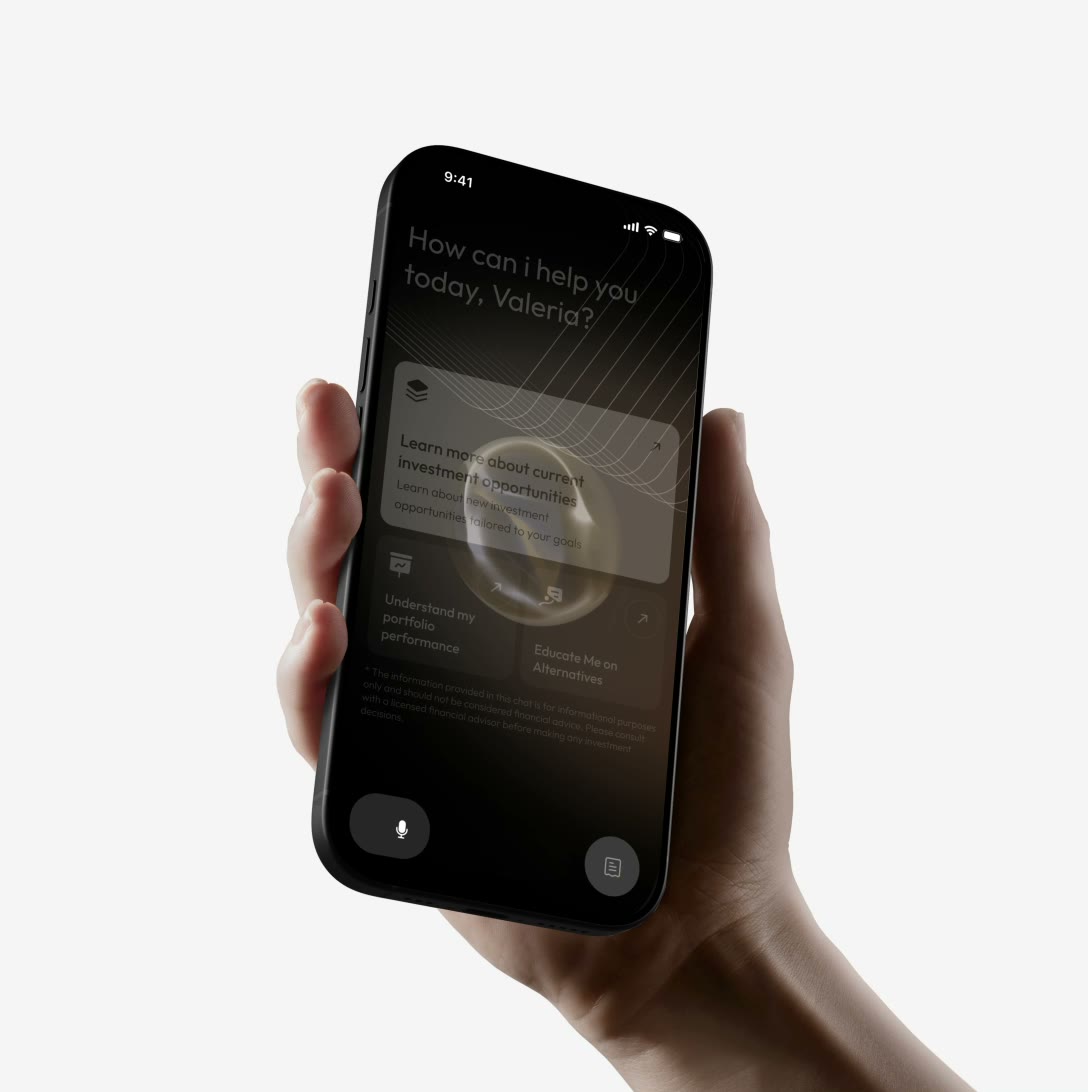
AI · Development
Chat-based offering analysis for private market investors
Investors interrogate offerings in natural language, with citations and compliance bounds.
One product system, across every engagement
The balance changes by engagement, but Windmill keeps product experience, intelligent behaviour and operational control connected rather than handing them between separate disciplines.
- Experience
- Customer and operator journeys, interaction, explanation, review, correction and adoption.
- Intelligence
- Architecture, data, models, agents, orchestration, integration and system behaviour.
- Control
- Evaluation, permissions, monitoring, human oversight, failure handling and operating evidence.
Success measures and important failure conditions are established early enough to inform the next product and investment decision.
Discuss the work in front of you
Tell us about the initiative, product or operating question you are working on. We will route the conversation to the appropriate senior lead.